

Shibtu: Syria's Bronze Age Queen
Šiptu or Shibtu
Born: 18th Century BCE
Died: 18th Century BCE, ruled from approximately 1775 to 1761 BC
Country: Syria
Culture: Bronze Age Syria

Šiptu was a princess of Yamhad, an ancient kingdom near Aleppo in modern-day Syria. It was the biggest and most powerful kingdom in Syria.
Šiptu’s childhood in the palace would have been very exciting. Syria was a major hub of all trade between Greece and Iran, and so Yamhad saw lots of international visitors. Her parents were also actively expanding the empire and hosted many Syrian dignitaries in their royal court. Amidst the hustle and bustle of the palace, Šiptu gained an extensive education. She knew how to read and write, balance finances, manage administrators, host a royal court, and generally keep a kingdom running.
Then one day, everything changed. A prince from the neighboring Mari kingdom appeared in the royal court, pleading for aid. The prince, Zimri-Lim, had escaped his kingdom after an assassin had killed his father, the king. Zimri-Lim asked Šiptu’s parents to help him retake the throne. They agreed, but it would take time to make preparations and gather supplies for war. Zimri-Lim remained in Yamhad for eight years, waiting for the right time to strike.

Finally, an opportunity came. The king who had replaced Zimri-Lim’s father departed the capital city, and that is when Šiptu’s parents struck. They retook the palace and put Zimri-Lim back on the throne. The Kingdom of Mari then became a vassal kingdom of Yamhad, and this alliance was soon made even closer. While the prince was biding his time at the palace, he and Šiptu had developed a respect and affection for each other--and fell in love.
They were wed and Šiptu became the Queen of Mari. Queen Šiptu and King Zimri-Lim were devoted to their people, and during their reign the kingdom of Mari was largely peaceful. She moved into Mari’s royal palace, which was richly decorated with colorful frescoes, sculptures, plush carpets, rich tapestries and glittering precious stones. The palace had more than 300 rooms, including its own library, bakeries, school, archives, multiple throne rooms, and theaters for plays and entertainment.


Zimri-Lim was frequently away on business and he trusted Šiptu so much that he left her entirely in charge, something that was not very common. Šiptu took her responsibility as queen very seriously. She handled the administration of the capital city, the royal palace, and the temple. She sent clay tablets to her husband with updates about intelligence briefings, trade, the palace workshops (Mari was a huge producer of fine textiles), hosting foreign dignitaries, and generally taking care of their people. She was in charge of a huge staff of craftspeople, including leather workers, stonemasons, gardeners, cooks, woodworkers, goldsmiths, and scribes.

I have asked my questions about Babylon. That man is plotting many things against this country, but he will not succeed. My Lord will see what the god will do to him. You will capture and overpower him. His days are numbered and he will not live long.
Cuneiform letter from Shibtu to her husband Zimri=Lim, 18th Century BCE
The pair’s written tablets to each other ooze with affection. In one, Šiptu is worried about her husband getting a sunburn, writing, “To my lord, a letter from Šiptu... All is well at the palace. All is well, too, with the temples of the gods and the workshops. … You must take good care of yourself when in the full sun.” One day when she hadn’t heard from her husband in a while, Šiptu wrote, “My heart has been greatly alarmed… May a tablet come from my lord so that my heart may be calmed.”
Late in Life
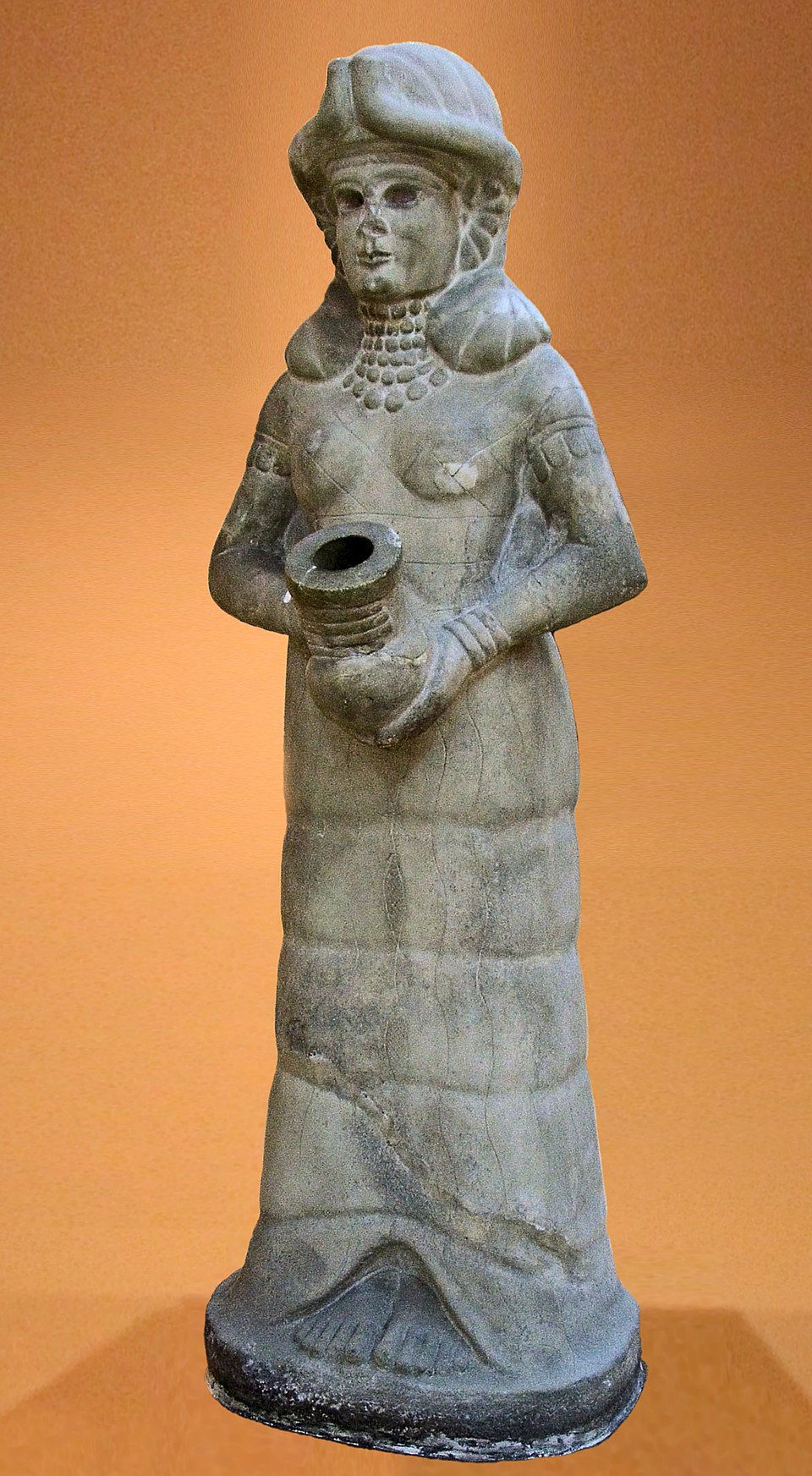
Šiptu had at least four daughters with Zimri-Lim—Inibsharri, Erishti-Aya, Kirum, and Shimatum. When these daughters grew up, they were strategically married to other leaders to keep the kingdom secure. Some of them even ruled, just like their mother.
Šiptu’s reign is one of the best recorded in ancient history. But like all kingdoms, theirs eventually fell. The palace was burned by the invasion of King Hammurabi in 1761 BCE, and her story was forgotten. But, thousands of years later, the ruins of the palace were discovered in 1933, where the archive of 25,000 clay tablets written in an ancient language called Akkadian once again revealed the stories of Šiptu and her family. The clay tablets with Šiptu’s writing as well as some palace frescoes are in the collections of the Louvre Museum in Paris, France as well as museums in Aleppo and Damascus in Syria.


Comments