

Martha Christina Tiahahu: Moluccan Martyr
Born: 4 January 1800
Died: 2 January 1818
Country: Indonesia
Culture or Era: Dutch Colonial Indonesia

Martha is a national hero of Indonesia, a country in the Pacific Ocean made up of lots of islands. When Martha was young, ships from a foreign nation arrived carrying Dutch people from a country called The Netherlands.
Martha was the oldest child and tragically her mother passed away when Martha was a child. She was raised by her father, Paulus Tiahahu, who was a captain in the Indonesian army. Martha was a stubborn child, and very strong willed. She would often follow her father around, asking him questions about whatever was on her mind, especially his plans for battle. Because of her dad’s job, Martha spent a lot of time at Indonesian army camps. She became fascinated by strategy and had a burning desire to serve her country.
As she grew up, her father was away more and more, battling the Dutch foreigners who wanted to colonize Indonesia. While one her own time, she learned how to fight with weapons and how to fire a gun from the soldiers based at the camp.
The Dutch wanted to take over all of Indonesia and make it a colony, which means part of all of Indonesia’s riches would be sent back to The Netherlands, and Indonesian people would have to follow new rules imposed by the Dutch. The Dutch had already been successful in many parts of Indonesia, but Martha and her father refused to give up their freedom without a fight.
As a teenager, Martha asked her father three separate times to let her fight. Each time he refused to take her into battle. When she was 17, her father received orders to join a military captain named Captain Pattimure. And this time, Martha was tired of asking. As her father ordered his soldiers to pack up and depart to join Captain Pattimure, Martha secretly joined them. By the time her father realized what had happened, they had gone too far to send her back--Martha was part of the battalion.

Now a soldier, Martha fought in several battles, including a famous conquest of the Duurstede fortress on May 16th, 1817. She would fight alongside trained soldiers, using a gun and, if she ran out of bullets, launched spears and rocks at her enemies. This resistance battalion was enjoying their successes against the Dutch, but it could not last forever. In October of 1817, Martha and her father were captured along with other freedom fighters, and were taken to an island for questioning. The Dutch decided that Martha’s dad was too dangerous and influential, and ordered him to be executed. After her father’s death, Martha was wild with grief, and determined to escape. One night, she managed to slip from her cell and escape into the island’s jungle. She lived in the wild for two months, possibly meeting up with other freedom fighters in hiding.
But in December of 1817, the Dutch launched a major operation to find any and all remaining freedom fighters. Maria and 39 others were arrested and taken onto a ship, a type of ship called an Eversten, headed for Java, the main island of Indonesia. The Dutch told them that they would be enslaved and forced to work on a coffee plantation, doing backbreaking work under the unforgiving tropical sun.

During the journey there, Martha got sick with a mysterious illness. But she refused any food and medicine offered to her. As she had been since she was a child, Martha was stubborn and refused to accept help from these people who had taken over her country. This staunch refusal in the name of her country was Martha’s final act of bravery. She passed away at sea on January 2, 1818, just two days before her eighteenth birthday.
Legacy
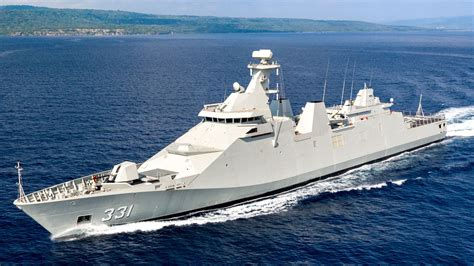
In Indonesia, January 2 is Martha Christina Tiahuhu Day, celebrated by casting thousands of flower petals into the Banda Sea in an official ceremony, dedicated to her courage and dedication to her people’s freedom. In Ambon, a statue of Martha stands as a monument to her courage, holding a spear and watching over the island looking over a bay. Another statue was erected in her hometown, Abubu, showing her leading soldiers into battle, carrying a spear. Her people called her a kabaressi, a valiant woman. The Indonesian military also christened one of their warships after her, the KRI Martha Christina Tiahahu. In Jakarta, Indonesia’s capital city, a group of women founded the Yayasan Martha Christina Tiahahu, a social foundation for Maluku people.
Her story continues to inspire others fighting for equality and justice. One Indonesian women's activist stated this about Martha Christina's legacy:
“In the past, the youthful Christina led armed uprisings against our colonizers. Today, Maluku women should fight injustice, poverty and other social disparities. Those in the bureaucracy, legislature and social organizations should also emulate Christina’s great passion for struggle.”
Maluku women’s activist Rosa Pentury, head of the Pelangi Foundation in Indonesia




Comments